After Shearing Season: What Can Farms Do With Unused Wool?
Every year after shearing season, sheep farms collect large amounts of wool.
Some wool can enter the textile market, but not all wool has the same value.
Short fibers, coarse wool, dirty wool, and leftover wool from processing may be difficult to sell. For many farms, this creates a simple but frustrating problem:
Where should this wool go?
- Storage takes space.
- Transportation costs money.
- Disposal creates waste.
But what if this wool could return to the farm as a useful product?
From Wool Waste to Farm Resource
Wool is a natural material.
Instead of treating unwanted wool as waste, some farms are exploring ways to reuse it through recycling processes.
A practical approach is:
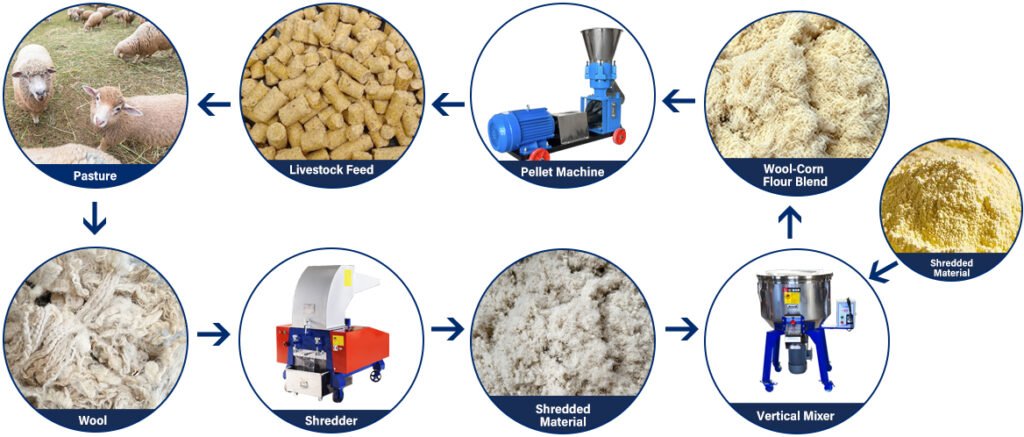
Through this process, loose wool fibers can be transformed into a more convenient pellet form.
Step 1: Preparing Wool Before Recycling
Freshly collected wool is usually not ready for pellet production.
The fiber length, density, and condition can vary significantly.
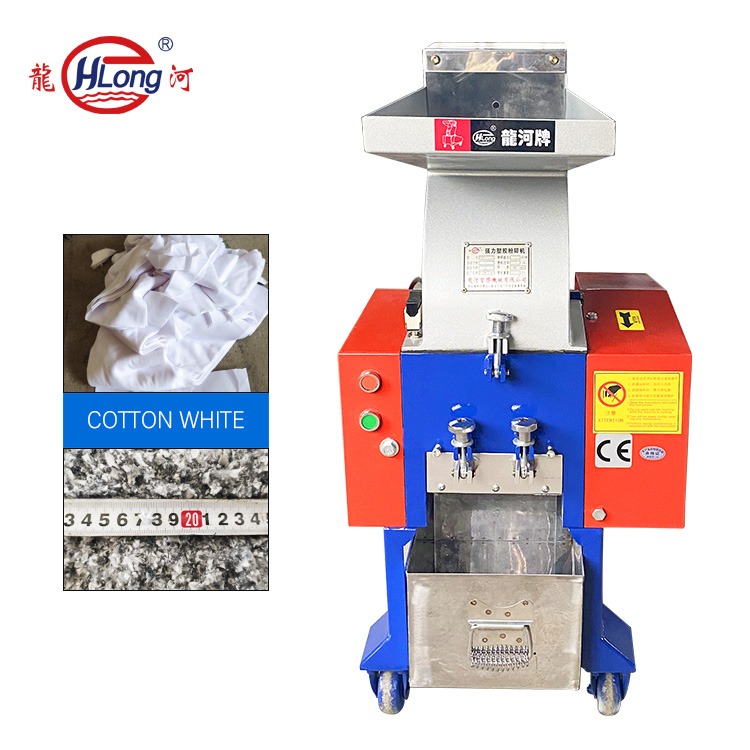
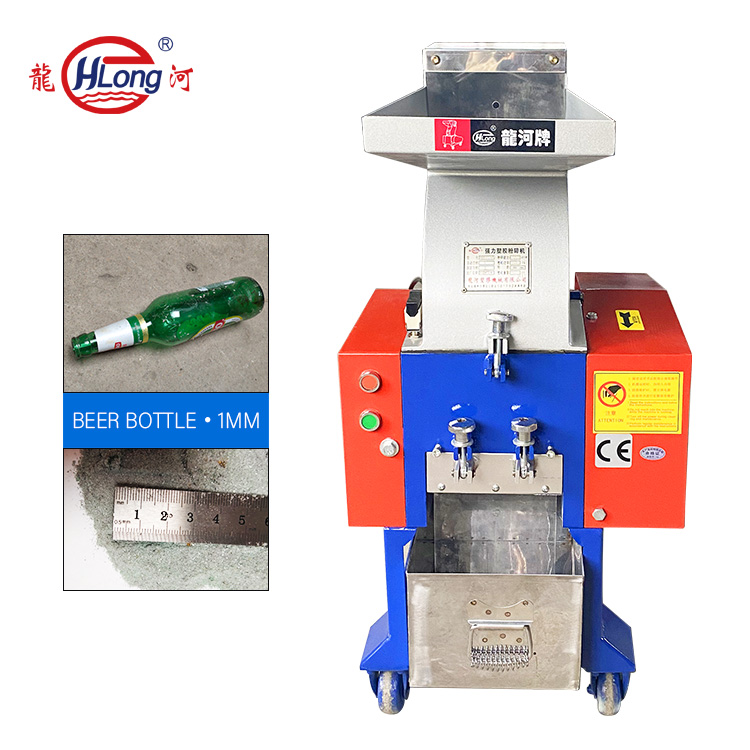
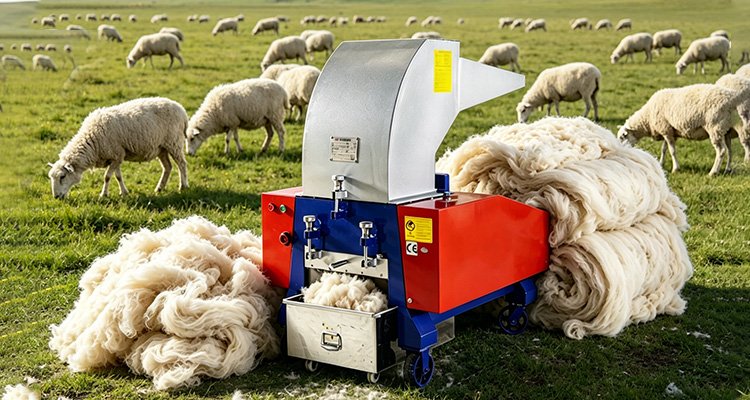
A 【Wool Crusher】 helps prepare the material by reducing larger fiber bundles into smaller pieces.
This makes the wool easier to:
- Mix with other materials
- Process consistently
- Feed into pellet production equipment
For farms handling their own wool resources, proper preparation is an important first step.
Step 3: Producing Easy-to-Handle Fertilizer Pellets
Loose wool fibers are difficult to store and transport.
After pelletizing, the material becomes a more uniform product.
Using a 【Pellet Machine】, prepared materials can be compressed into pellets that are easier to:
- Store during different seasons
- Transport around the farm
- Apply during agricultural operations
For farms interested in creating their own organic products, pellet production provides another way to utilize natural waste resources.
Example: A Farm Creates Value From Wool Waste
Imagine a sheep farm after annual shearing.
The usable wool is collected for sale.
The remaining wool has limited market value.
Instead of paying for disposal or leaving it unused, the farm can process it through:
A wool crusher → Material preparation → Mixing → Pellet production
The result is a new agricultural product created from material that was previously difficult to manage.
This approach helps farms explore a more circular way of handling natural resources.
More Than Wool: Other Farm Materials Can Also Be Processed
The same pellet production concept is not limited to wool.
Depending on equipment configuration, pellet machines can also process biomass materials such as:
- Wood chips
- Sawdust
- Agricultural residues
- Plant waste
This gives farms more possibilities to reuse materials already available on their property.
What Equipment Does a Farm Need?
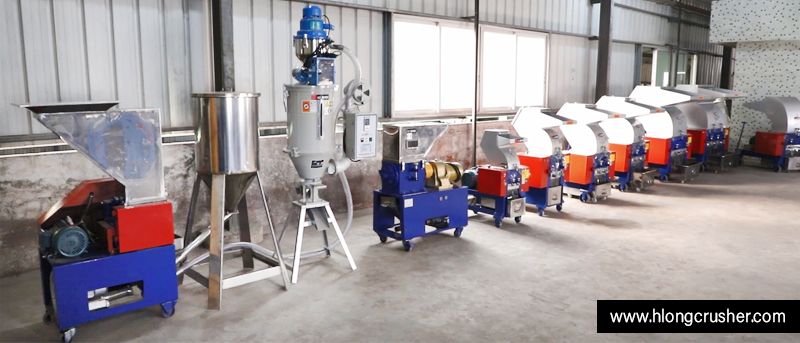
A basic wool fertilizer pellet production process may include:
Wool preparation
Used to reduce wool fiber size and improve material consistency.
Material forming
Used to compress prepared materials into pellets.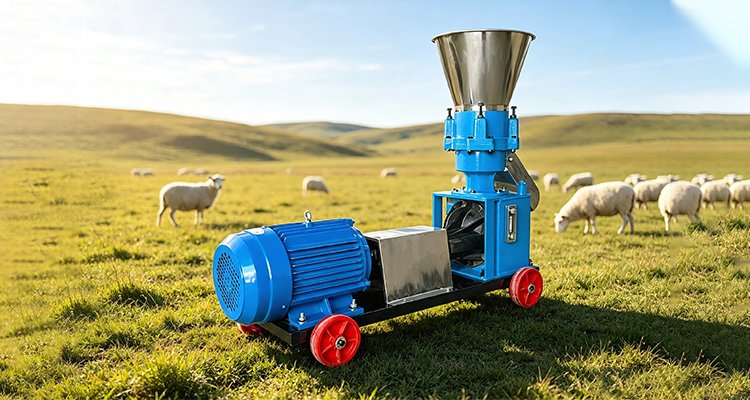
The suitable equipment depends on:
- Amount of wool generated
- Desired production capacity
- Final product purpose
- Available raw materials
Longhe Helps Farms Explore Wool Recycling
For farms, recycling is not only about waste reduction.
It is also about finding new value from resources that already exist.
Longhe provides equipment solutions for customers interested in:
- Sheep wool recycling
- Natural fiber processing
- Organic fertilizer pellet production
- Biomass material utilization
From wool preparation to pellet production, Longhe helps customers evaluate suitable equipment based on their actual farm conditions.
Watch How Wool Becomes Fertilizer Pellets
This video shows the process of using crushed textile material, mixing it with other materials, and producing organic fertilizer pellets.
It demonstrates one possible pathway for farms looking to reuse wool resources:
Shearing Waste → Fiber Processing → Material Mixing → Pellet Production
A material once considered difficult to handle can become part of a new agricultural cycle.