In the agricultural livestock sector, many may encounter similar challenges and questions. Have you also faced these issues?

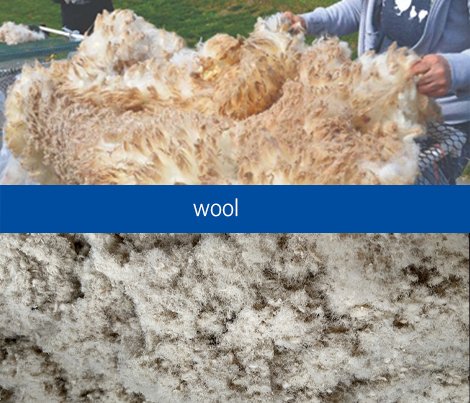
1、Can long wool be shredded? During shedding season on farms, accumulated wool varies in length, making direct handling difficult. If shredding is possible, subsequent utilization becomes much easier.

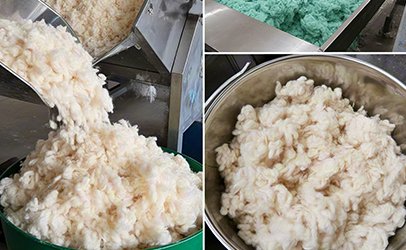
2、How fine can wool be shredded? Can it be used in pellet machines? Only when shredded to an appropriate size can wool be further processed into pellets for applications like pasture fertilization or feed production.

3、Can greasy wool be processed? Wool often carries grease—will this hinder the processing or affect the final results?

4、Is there a machine for making feed pellets? If wool can be rationally utilized to create feed pellets, it could significantly reduce feed costs.

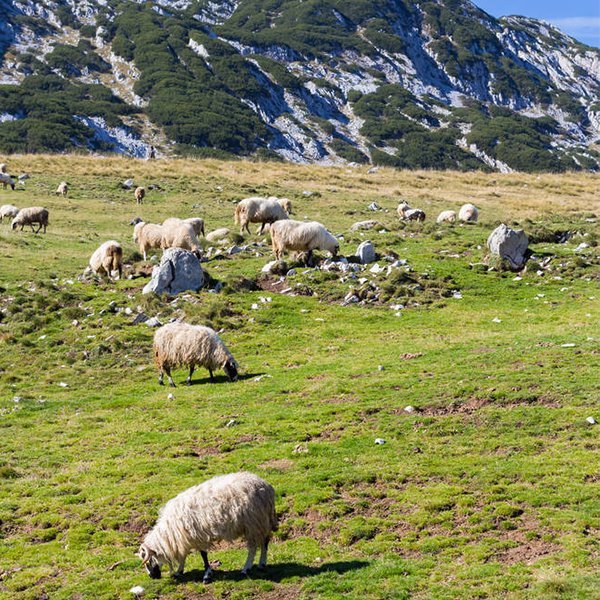
A while ago, one of my clients was frustrated. He told me: “Pasture grass is growing slower and slower, feed prices keep rising, and I have all these cows and sheep waiting to be fed. On top of that, every year I pay a fortune just to dispose of the wool shed during shearing season. It’s like I’m throwing money away.”

That really struck me. I remembered reading that wool is rich in nitrogen, potassium, and sulfur — a natural fertilizer and even a feed ingredient. Maybe… wool wasn’t the problem. Maybe it was the solution.

So I dug deeper, checked research, case studies, and started experimenting. The idea sounded simple: turn waste wool into pellets. But reality wasn’t so easy. Raw wool is long and uneven. You can’t just spread it like fertilizer — the wind blows it away, and it does nothing.

I tried using a small feed pelletizer (even the one I had for my dog’s kibble). Total failure. Wool clogged the machine and just kept tangling.
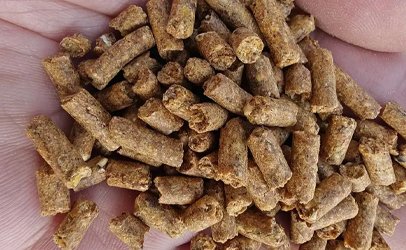
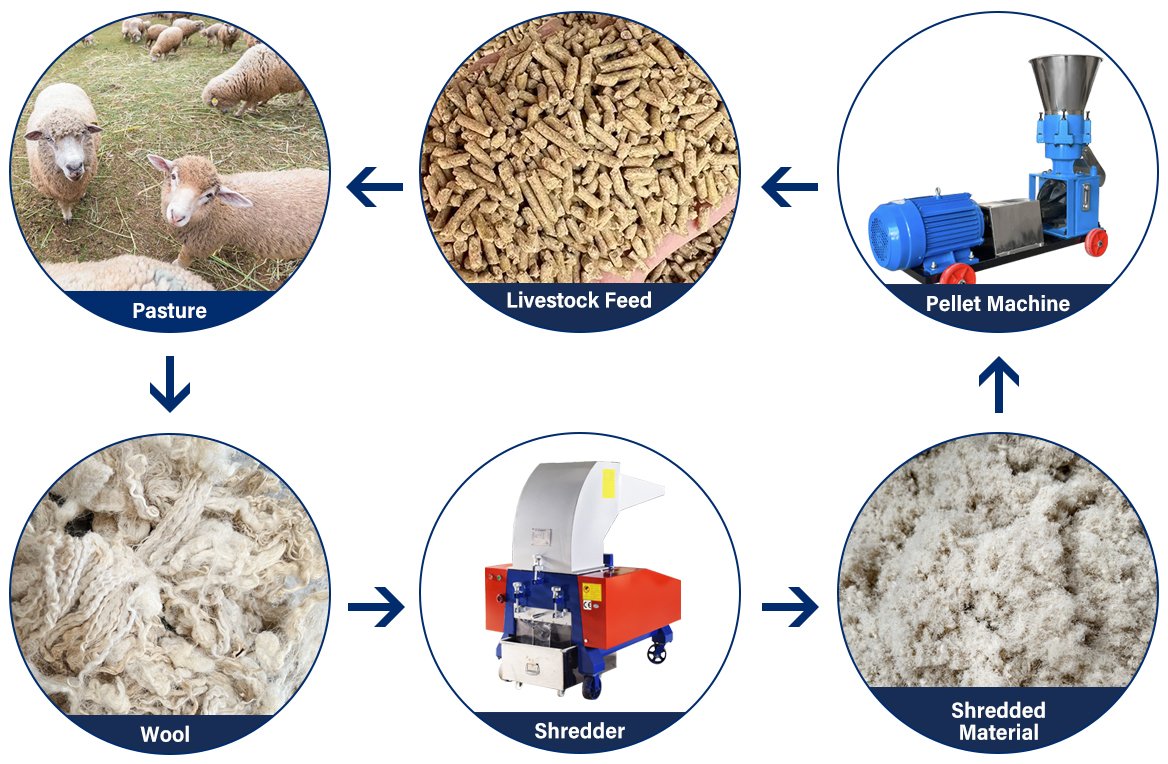
Next, I crushed the wool into finer pieces with a shredder, mixed it with farm manure powder, and pushed it through a modified pellet machine. Finally, I got perfect wool fertilizer pellets.

The results? Amazing. Pastures grew faster, greener, stronger. And instead of paying to throw wool away, farmers were putting it back into the soil as a valuable nutrient source.

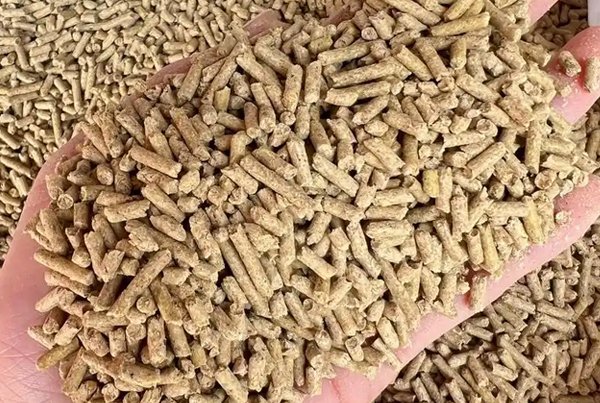
But that wasn’t the end. I also tested mixing shredded wool with soybean meal and corn powder. The feed pellets worked beautifully — livestock ate them well, and farmers no longer needed to buy so many nitrogen supplements.

Now, what used to be a costly waste has become what I like to call “green gold” — wool that feeds both the land and the animals.

From Pasture to Feed Trough: The Transformation of Wool Unlocks a New Era of Resource Recycling

From pasture to feed trough, wool completes a green cycle of “from the grasslands, back to the grasslands”:

Cost Efficiency: Self-produced wool shreds replace a portion of purchased protein feed, saving over 10,000 RMB annually in operational costs.

Eco-Friendliness: Reduces waste discharge and minimizes environmental pollution, aligning with sustainable farming practices.

Quality Enhancement: Pelletized feed improves palatability, boosting livestock feed intake and significantly accelerating weight gain.

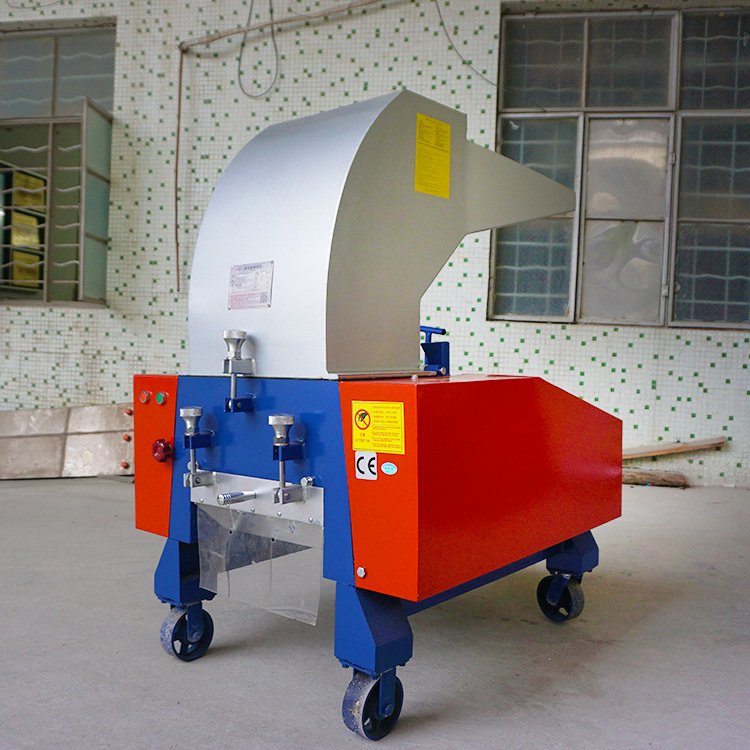
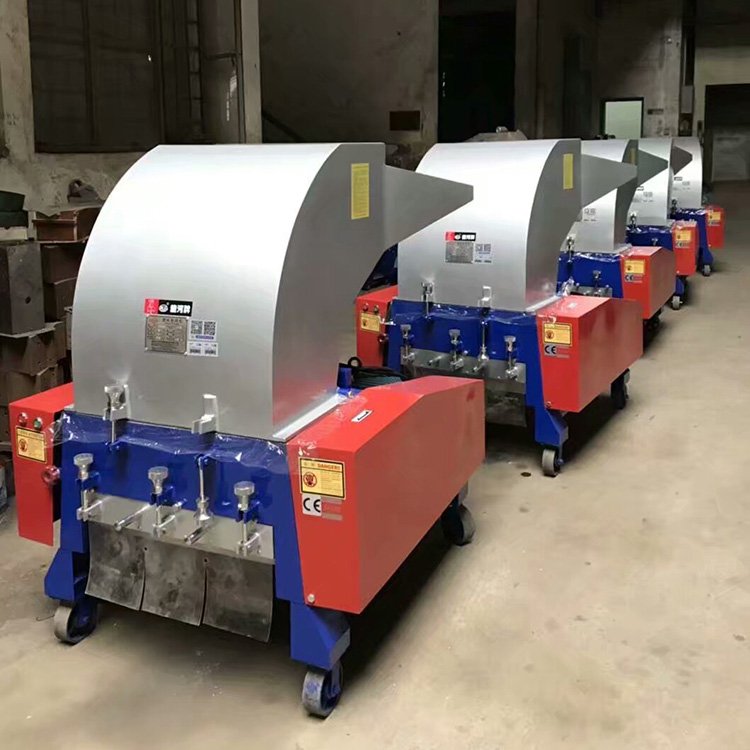
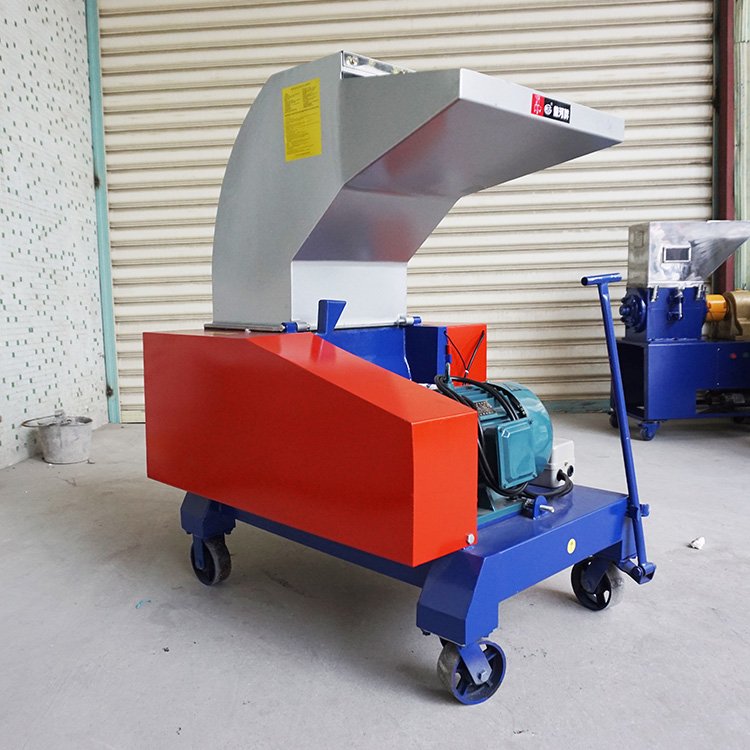
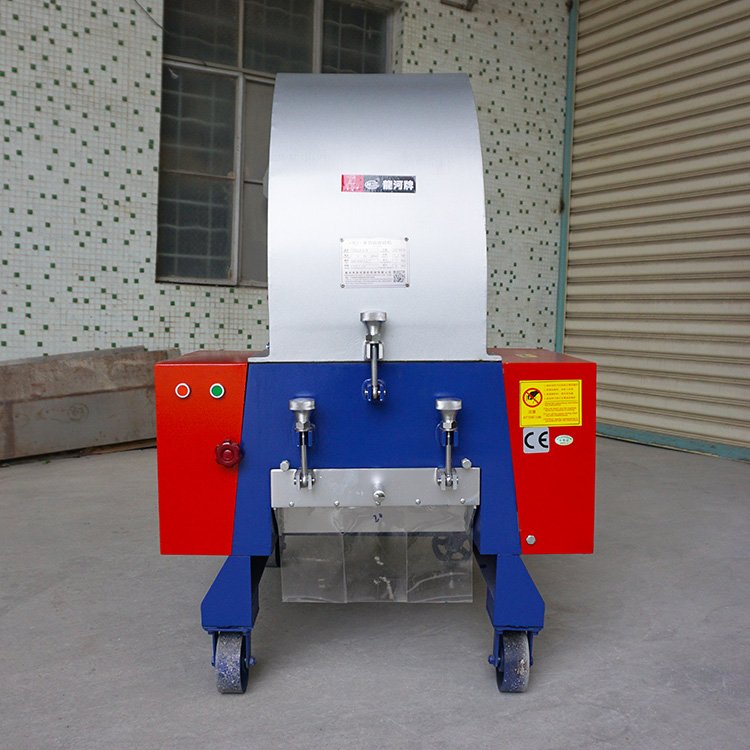
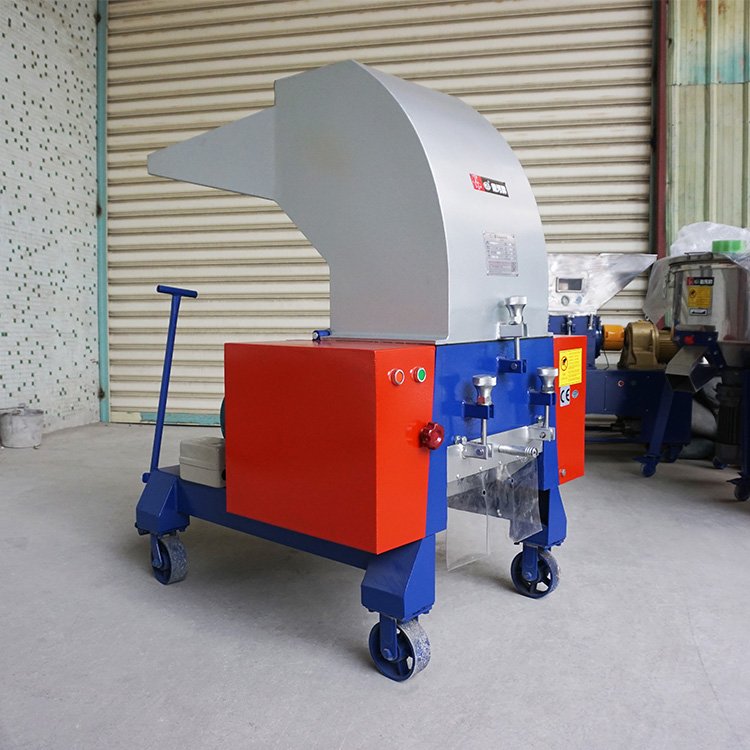
Wool Shredder

In what other areas/fields are wool shredders applicable besides pastures?

Leveraging its efficient capacity to process wool and similar fibrous materials, wool shredders are also widely applied beyond pastures in fields such as textile processing, environmental resource utilization, healthcare, industrial materials, agricultural mulch film production, and specialty processing.

Textile Processing

Crush waste wool to blend and produce recycled fibers, reducing costs; incorporate ultra-fine wool powder to enhance synthetic fiber performance; utilize wool keratin to adsorb plant-based dyes for eco-friendly dyeing.
Environmental Resource Utilization

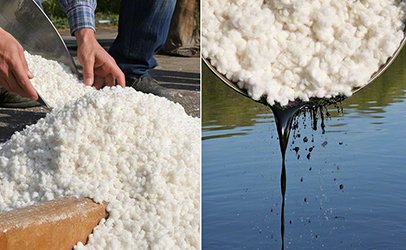
Extract keratin to manufacture biodegradable plastics as alternatives to petroleum-based plastics; use wool powder to adsorb heavy metals and oil pollutants for oil spill cleanup and wastewater treatment.

Healthcare & Medical Applications

Develop wound dressings and artificial skin to promote healing and provide antibacterial properties; serve as drug delivery carriers to improve therapeutic efficacy and reduce side effects.
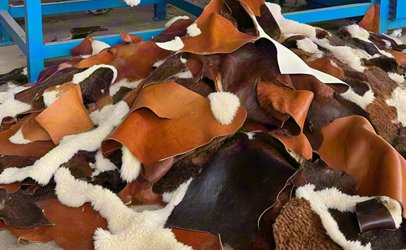
Waste leather/animal fur processing

Wool shredders can rapidly tear sheepskin, cowhide, and other materials into small pieces for further deep processing into leather products or for biomass energy production.
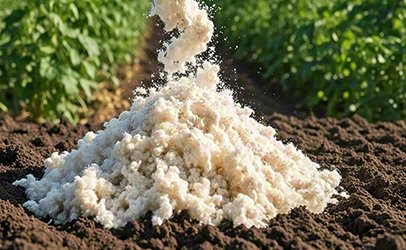
Agriculture

Wool fibers are rich in nitrogen, phosphorus, and other nutrients; after being crushed, they can be used as an additive in organic fertilizers to improve soil structure and promote crop growth.
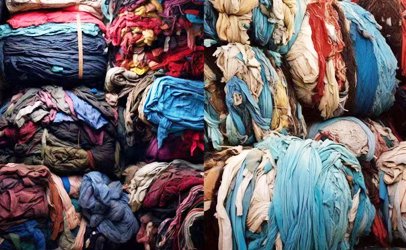
Waste clothing/fabric processing

Wool shredders can crush waste wool garments, textile scraps, and other materials into fiber fragments, which are then used to produce recycled fiber fillers (such as thermal and acoustic insulation materials), sports field infill, or as raw materials for new garment manufacturing.
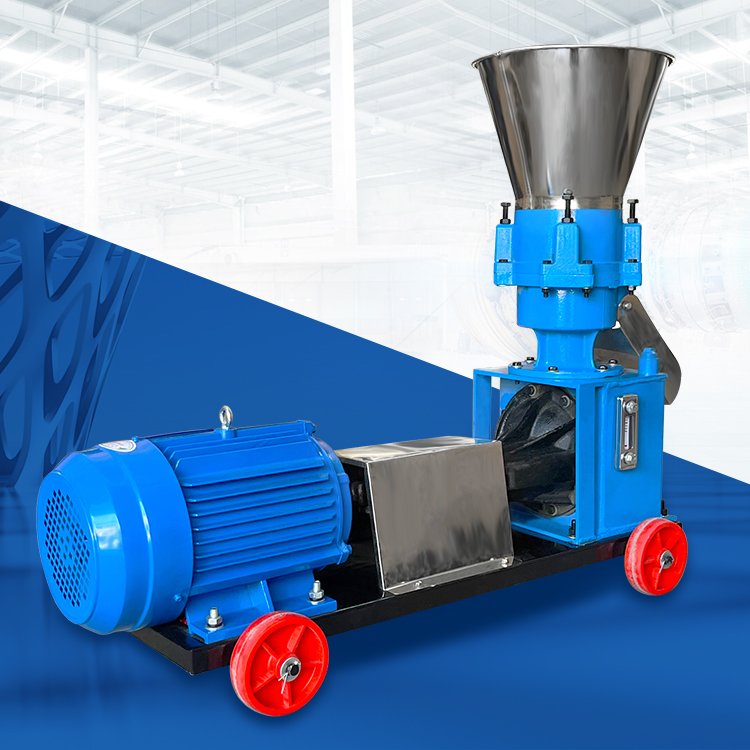
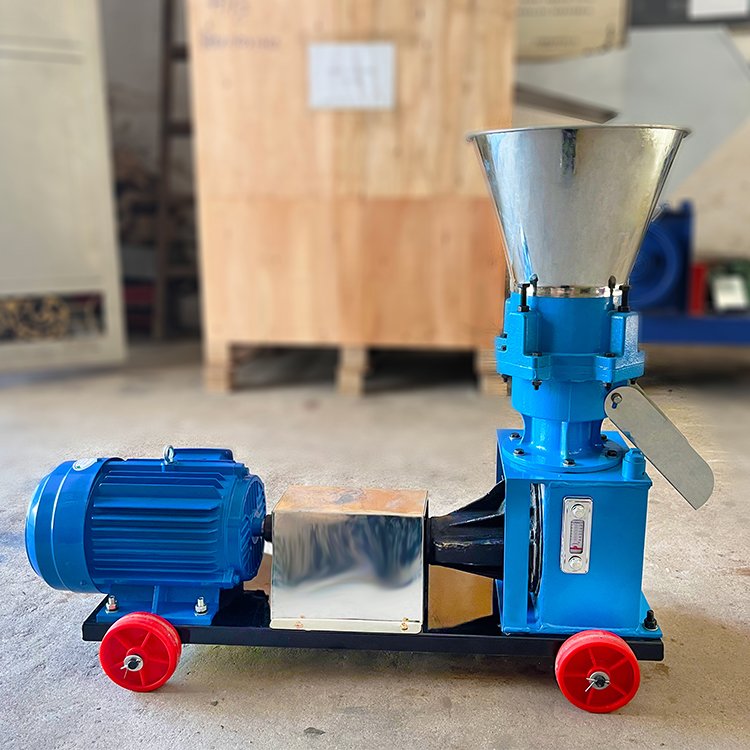
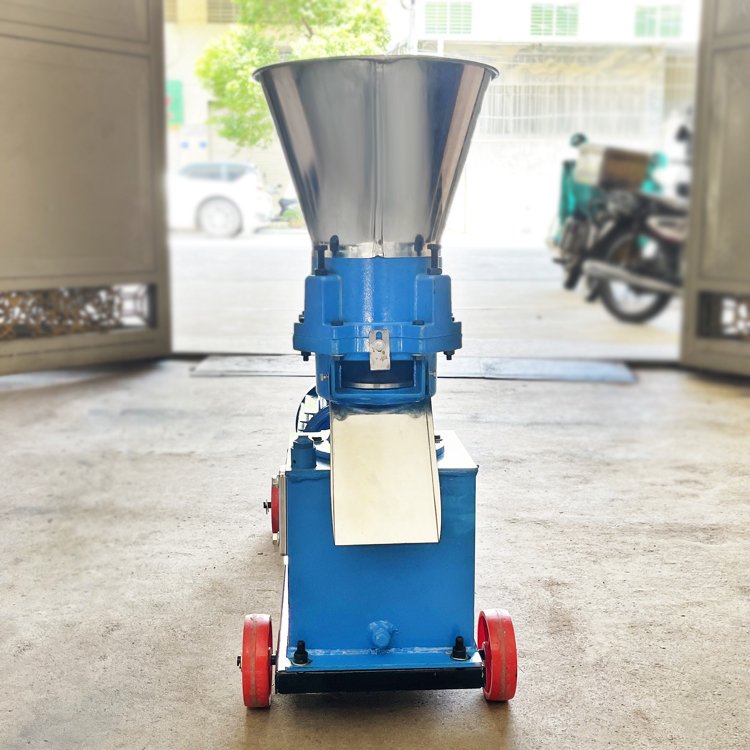
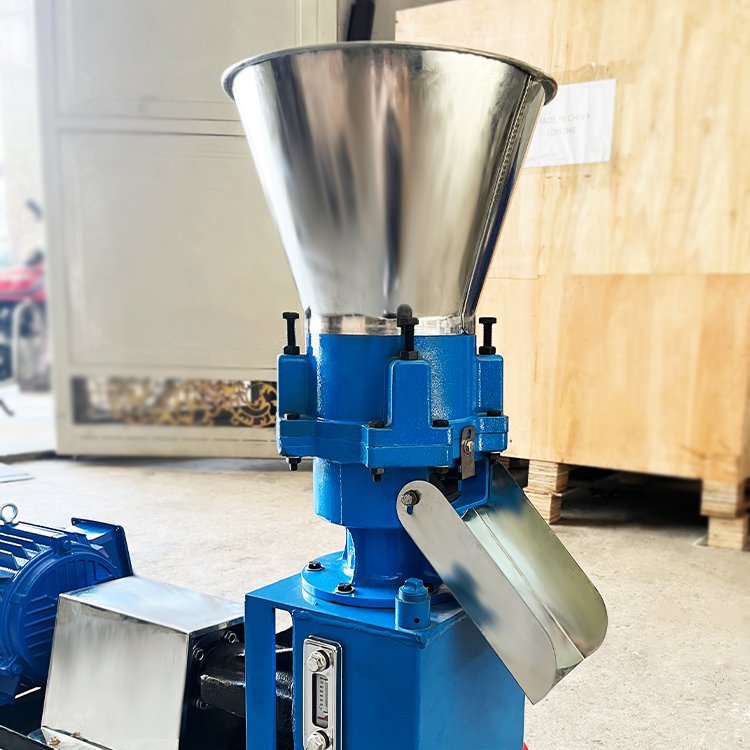
pellet machine

What Types of Pellets Can Be Produced by a Pellet Machine?

Pellet machines utilize high-temperature compression molding technology to convert diverse raw materials into dense, uniform pellets. The primary applications include:

Feed pellets

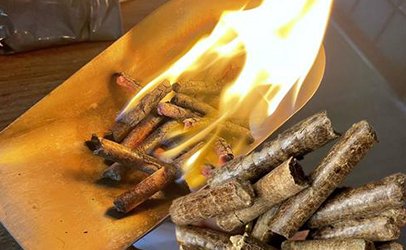
Biomass Fuel Pellets
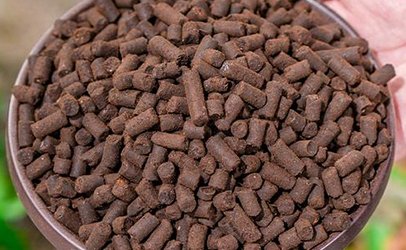
Organic Fertilzer Pellets
Have Questions?

Contact us immediately to learn more about how Longhe Equipment can help your business save time, space, and costs by better processing waste glass.

Frequently Asked Questions (A&Q)

From the Factory to You – Your Trusted Partner

1. What model and screen size does Junele use?
Junele use the PF180B-1 model, with an 8mm mesh size screen . This model is well-suited for various fabric and material crushing needs.

2、Can I customize my own logo on the equipment?
Definitely! We can fully customize the machine with your logo to make it uniquely yours, providing a personal touch for your brand or business.

3、Can the machine be delivered to my country?
Yes, we offer door-to-door delivery to most countries worldwide. All you need to do is provide your postal code, and we will handle the rest, ensuring a smooth, hassle-free delivery.

4、What is the expected lifespan of the equipment?
Our equipment is built to last. With proper use and maintenance, it can serve you for up to 15 years—a long-lasting, reliable investment for your business.

5、What is door-to-door service?
With our door-to-door service, you pay for all fees upfront, and your machine will be delivered directly to your address. It’s that simple—no need to worry about extra charges or hidden fees.

6、How much is the shipping cost?
Shipping fees vary depending on weight and destination. Please share your address and postal code, and we’ll provide you with an accurate and competitive shipping quote. We’re committed to helping you save on shipping without compromising service.

7、What after-sales support is provided for the equipment?
We offer free technical support and provide replacement parts within the warranty period, completely free of charge. Plus, we provide detailed operation and maintenance tutorial videos to help you get the most out of your equipment.

8、I’ve never heard of Junele. How can I trust the information provided?
We completely understand your concern. That’s why we offer video calls to show you our workshop and warehouse. With 37 years of experience in manufacturing and exports, we’re a well-established, trusted brand with a proven track record.

9、Why didn’t I get an immediate reply after filling out the form?
We receive many inquiries, but rest assured we’ll respond within 1-2 business days. If you haven’t received a response, please check your spam folder and ensure cnhlong@cnhlong.com is marked as a trusted sender.

Why Choose Us?

Trusted by Customers Worldwide

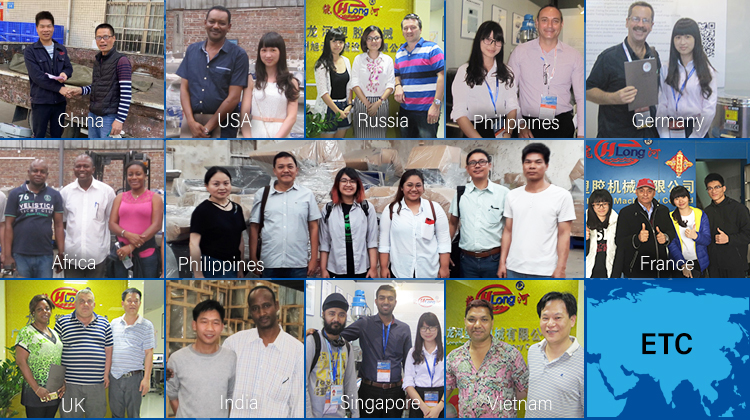
With decades of experience, we’ve built long-term relationships with clients in over 50 countries.
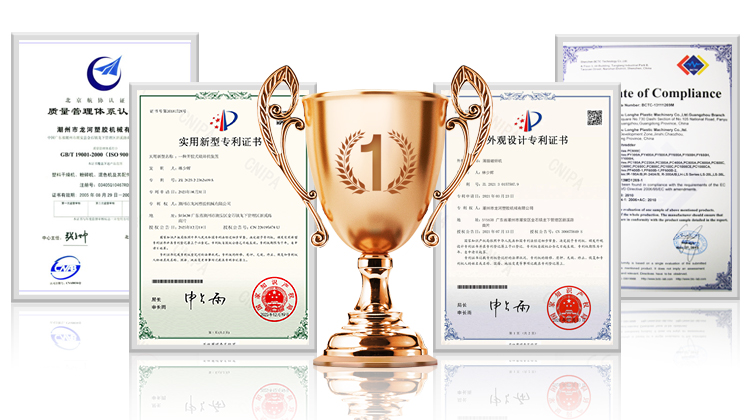
High-Quality Equipment

Our machines are designed for maximum efficiency, long life, and reliability, ensuring you get the best value for your investment.

Dedicated Customer Support

From your first inquiry to after-sales support, we’re here to help at every step of the process.
Article Forum